Monaco Grand Prix Event Timeline
 Monaco Grand Prix Monaco Grand Prix |
Jun 7 |
| First Practice | Jun 5 11:30 |
| Second Practice | Jun 5 15:00 |
| Third Practice | Jun 6 10:30 |
| Qualifying | Jun 6 14:00 |
| Race | Jun 7 13:00 |
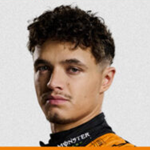
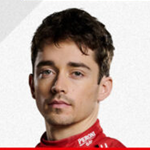
Last years podium (2025)

Monaco Grand Prix – Overview
The Monaco Grand Prix is one of the most prestigious and historic races in Formula 1. First held in 1929 and part of the Formula 1 World Championship since 1950, the race takes place on the narrow streets of Monte Carlo and La Condamine in the Principality of Monaco. Organized by the Automobile Club de Monaco, it is widely regarded as one of the most famous motor races in the world and forms part of the unofficial "Triple Crown of Motorsport" together with the Indianapolis 500 and the 24 Hours of Le Mans.
Characteristics of the Circuit de Monaco
The Circuit de Monaco is a tight street circuit that winds through the city streets of Monte Carlo. The track is approximately 3.337 km long and the race distance is 78 laps, totaling around 260 km, which is shorter than most Formula 1 races due to the slow average speeds. The circuit is extremely narrow with very little room for overtaking, making qualifying performance crucial. Famous corners include the Fairmont Hairpin (the slowest corner in Formula 1), the tunnel section leading to the Nouvelle Chicane, and the Swimming Pool complex. The circuit also features steep elevation changes and close barriers, demanding extreme precision and concentration from drivers.
Tradition and Importance in Formula 1
The Monaco Grand Prix is considered the crown jewel of the Formula 1 calendar. Its long tradition, glamorous setting in the harbor of Monte Carlo, and challenging circuit have made it one of the most iconic sporting events in the world. Winning in Monaco is often regarded as one of the greatest achievements for a Formula 1 driver. The event is famous not only for the racing but also for its luxury yachts, celebrities, and historic prestige within motorsport.
Most Successful Drivers and Teams
The most successful driver in the history of the Monaco Grand Prix is Ayrton Senna, who won the race six times (1987 and 1989–1993) driving for Lotus and McLaren. His dominance on the tight Monaco streets earned him the nickname "King of Monaco." Graham Hill, known as "Mr. Monaco," won the race five times during the 1960s. Other notable multiple winners include Michael Schumacher, Alain Prost, Nico Rosberg, and Lewis Hamilton. In recent years Max Verstappen won in 2021 and 2023 for Red Bull Racing, while Sergio Pérez also won in 2022.
Among teams, McLaren has historically been the most successful constructor at Monaco with numerous victories, especially during the late 1980s and early 1990s with drivers like Ayrton Senna and Alain Prost. Ferrari and Red Bull Racing have also achieved several wins at the circuit over the decades.
Iconic and Memorable Races
Several Monaco Grands Prix have become legendary. In 1984, Ayrton Senna produced one of the greatest wet-weather drives in Formula 1 history, climbing from 13th place to challenge Alain Prost before the race was stopped due to heavy rain. In 1992, Ayrton Senna defended the lead against Nigel Mansell for several laps despite Mansell having fresher tyres, creating one of the most intense finishes ever seen at Monaco. The 1996 race is remembered for its chaotic conditions where Olivier Panis won for Ligier after only three cars finished the race. Another memorable moment occurred in 2018 when Daniel Ricciardo won for Red Bull Racing despite suffering a loss of engine power during the race.
Legacy of the Monaco Grand Prix
The Monaco Grand Prix remains one of the most legendary events in motorsport. Its narrow streets, unforgiving barriers, and historic atmosphere create a unique challenge that tests the skill and concentration of the world's best drivers. With its long history, iconic races, and legendary winners, Monaco continues to symbolize the glamour, tradition, and technical challenge that define Formula 1.